Buying the 2008-2011 Mazda Tribute: Pros and Cons, Problems
By Vlad Samarin Updated: January 08, 2024
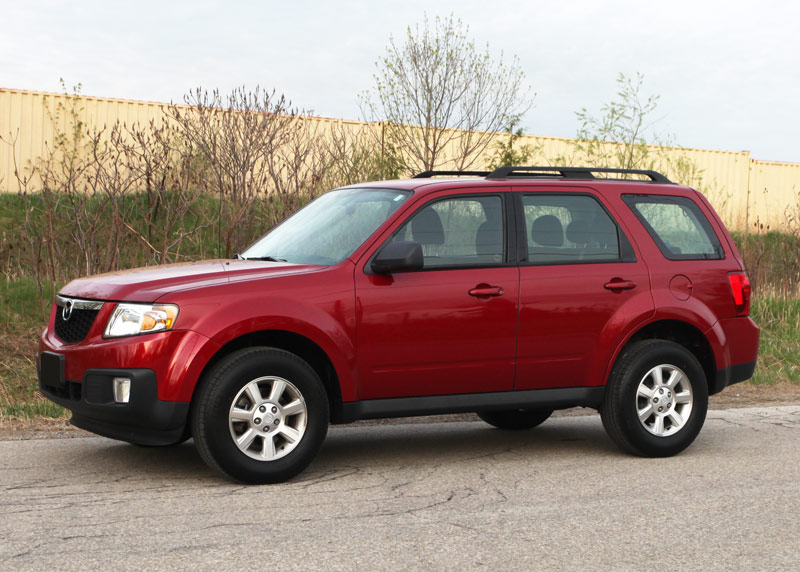
The Mazda Tribute has been developed in association with Ford and is a mechanical twin of the Ford Escape.
The 2008-2011 Tribute is available with front- or four-wheel drive and is powered by a Mazda 4-cylinder or Ford V6 engine.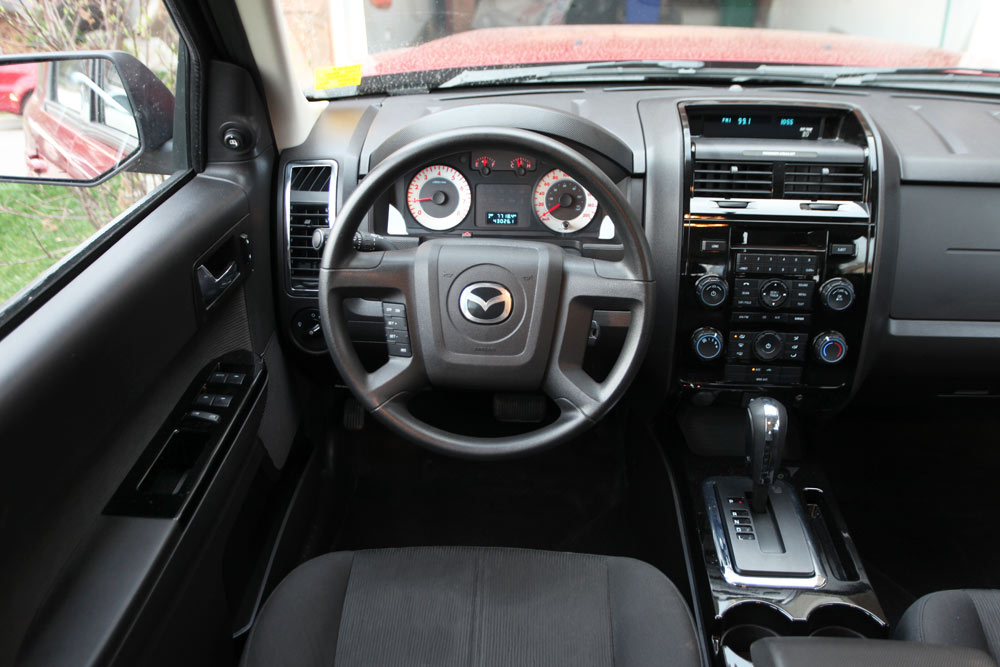 2010 Mazda Tribute
 Click photo for larger image
The Tribute offers excellent visibility, spacious practical interior and easy driving experience. The split rear seat folds flat (with headrests removed) and the liftgate glass opens separately. Maintenance costs are moderate. What are the common problems? Which engine is better?
Pros:
- Agile Handling: The Mazda Tribute is known for its responsive and agile handling,.
- Spacious Interior: Despite its compact size, the Tribute offers a roomy interior with comfortable seating and ample cargo space, making it practical for various needs. The liftgate glass that opens separately is another plus.
- Good Engines: Both the V6 and the 4-cylinder are good engines that can last long with timely maintenance.
- Optional All-Wheel Drive: The Tribute is available with an optional all-wheel-drive (AWD) system.
- Competitive Pricing: The Tribute is often competitively priced in the used car market, offering good value for buyers on a budget.
Cons:
- Fuel Efficiency: The Tribute's fuel efficiency is not as good compared to some rivals in the compact SUV segment.
- Outdated Interior: As a model from the late 2000s, the Tribute's interior feels outdated.
- Reliability Concerns: Transmission problems, issues with power steering, as well as rust in areas above the rear wheels in regions with salt usage can lead to expensive repairs.
- Noisy Cabin: The Tribute might have a noisier cabin compared to some competitors, especially at higher speeds, impacting overall comfort during long drives.
- Resale Value: Due to its reliability reputation and market trends, the Tribute will not hold its value very well.
 2010 Mazda Tribute
 Click photo for larger image
Corroded liftgate glass hinges can break off causing a safety hazard. If your liftgate glass hinges look corroded, have them checked out and replaced before one of them breaks.
Parts are not very expensive and are fairly easy to replace.
Problems with an immobilizer chip in the ignition key may cause a no-start issue. Your dealer can help you with that problem.
If your blower motor only works at the highest speed settings, it could be caused by a bad blower motor resistor; the repair is not very expensive, the blower motor resistor must be replaced. It is located behind the glove box.
Advertisement
Rust damage around rear quarter panels is fairly common to see in Salt Belt states. When buying a used Mazda Tribute, it must be carefully inspected for rust damage, especially the areas around rear shock absorbers.
Knocking in the front end when driving at slow speeds over small bumps could be caused by bad front sway bar links; have your front end inspected. Replacing sway bar links is not very expensive.
There have been several recalls; check at NHTSA website.
Summary:
A used Mazda Tribute is one of the few truck-like small SUVs that offers a roomy interior and good visibility. The 2.5L 4-cylinder engine is mechanically solid, but feels a bit underpowered with a full load.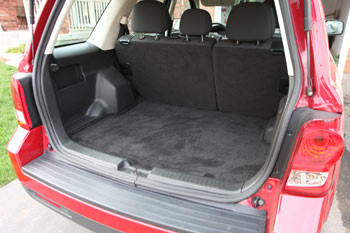 2010 Mazda Tribute cargo area
 Click photo for larger image
Watch out for transmission problems, rust and issues with the electrical power steering; all these problems will be expensive to repair.
At this age, we would only recommend considering this truck if it's priced really cheap and you are aware about potential problems and ready to handle them.
Related reviews:
Ford Escape 2008-2012
Subaru Outback 2005-2009
Toyota RAV4 2006-2012
Honda CR-V 2007-2011
Engine: The 2008+ 4-cylinder models are equipped with a solid 2.3L (2.5L from 2009) Mazda MZR engine. The V6 Tribute comes with the 3.0L Ford engine.
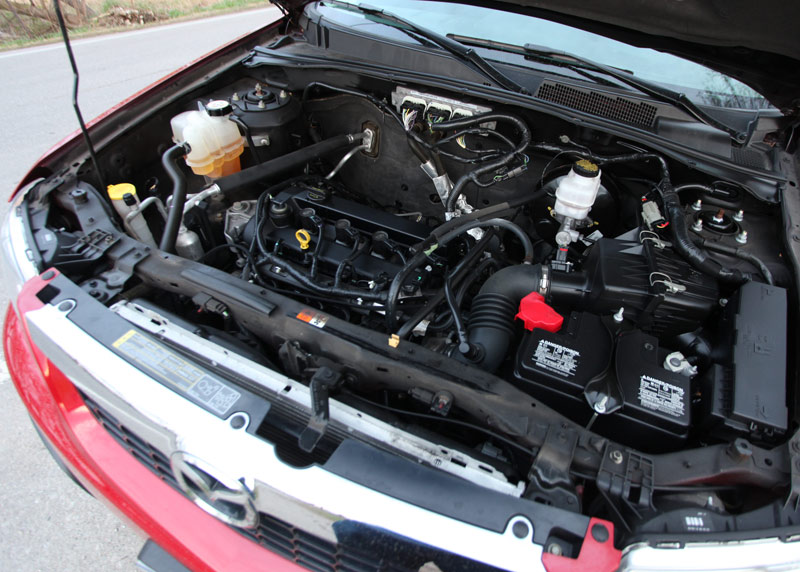 2010 Mazda Tribute 4-cylinder 2.5L engine
 Click photo for larger image
Mechanical: The Tribute has a frameless construction with front and rear independent suspension. Rear brakes are drums.
What to look for when buying a used Mazda Tribute: When checking the vehicle, watch out for leaks underneath the engine and transmission and burned oil smell under the hood. Warning lights staying on while driving indicate a problem. Test the hand brake and the rear wiper operation. Check if both key fobs work and if the liftgate glass and the liftgate open and close properly. Watch out for rust, especially around the rear wheel wells. During the test drive, see if the engine holds idle well and runs smoothly when accelerated.
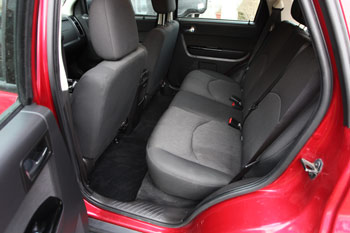 2010 Mazda Tribute rear seat
 Click photo for larger image
Maintenance: Check your transmission fluid level regularly. The low transmission fluid level indicates a leak that needs to be repaired as soon as possible. A flashing Service Engine Soon light is an indication that the engine is misfiring. If your engine misfires due to a bad ignition coil, change all the spark plugs too. In a V6 engine, if one of the rear ignition coils failed, it's a good idea to change all three rear coils at the same time. If your Tribute stalls unexpectedly, visit your dealer, there might be an engine computer software update available to address this problem.
 © Samarins.com 2000–2025. All rights reserved.