How to check the engine when buying a used car
By Vlad Samarin Updated: December 14, 2021
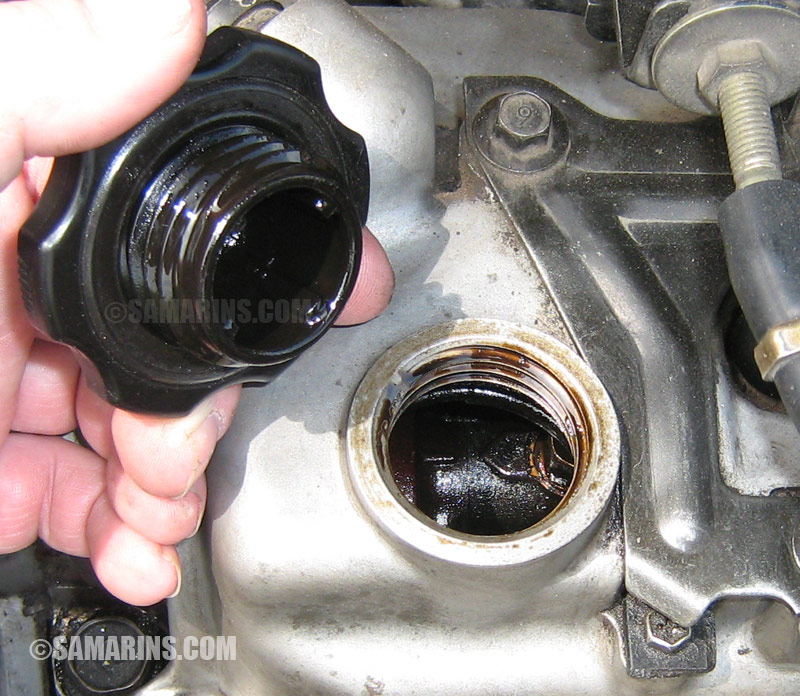 Checking an engine in a used car
Here are a few tips on what to watch out for and how to spot signs of engine problems or lack of maintenance when checking a used car.
Check service records
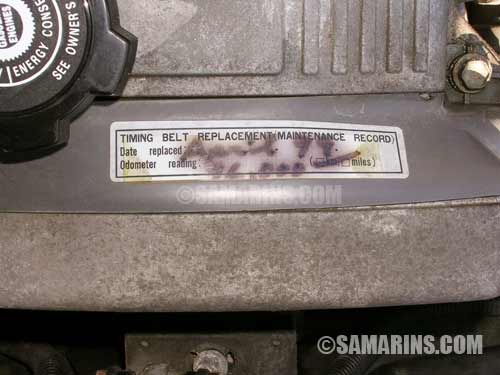
Service records are not always available, but it helps if the dealer or a person selling the car can produce some proof that the vehicle has been maintained regularly. Look for oil changes and mileage records. Recommended oil change intervals vary from 5,000 to 10,000 miles. If the vehicle has been driven between oil changes for much longer, the engine might be worn inside. It's also good to know whether a timing belt (if the car has one) has been changed and what other maintenance (e.g., spark plugs, drive belt) has been done.Have a look under the hood
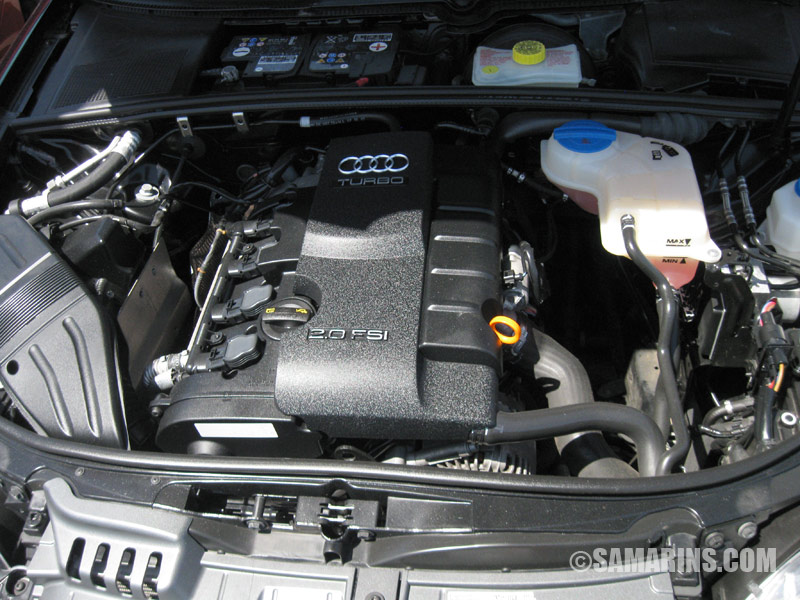
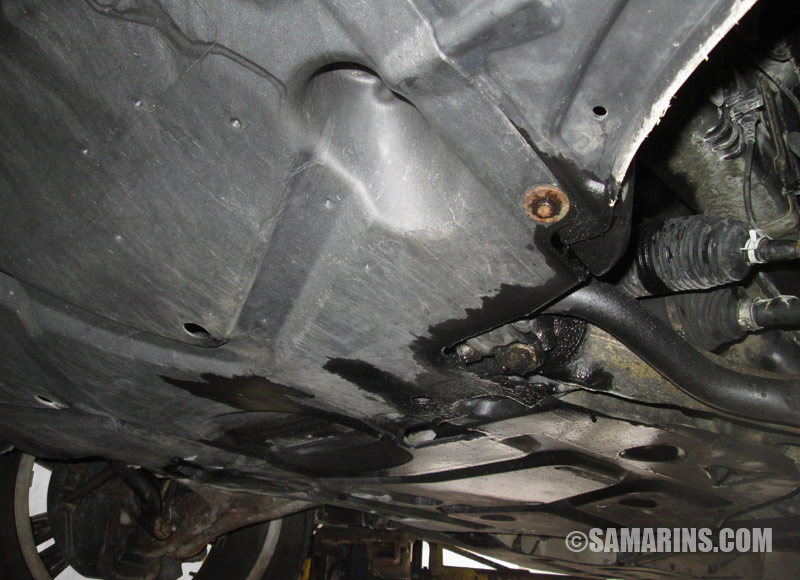
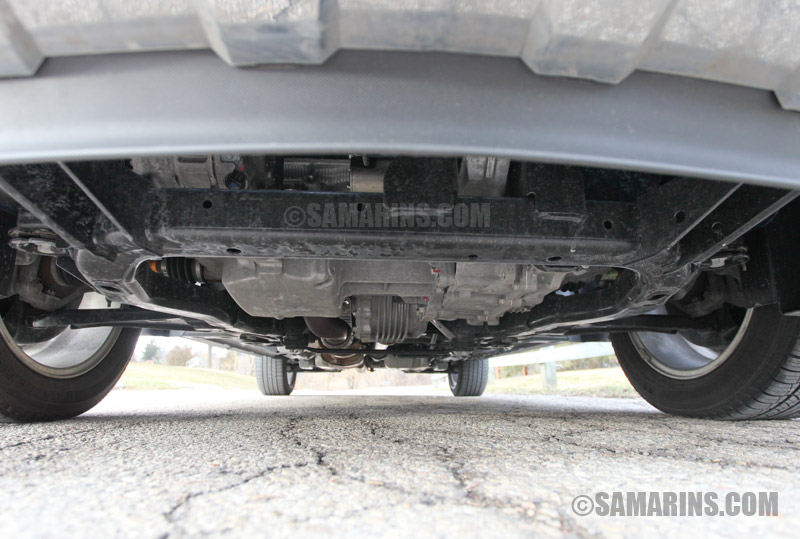
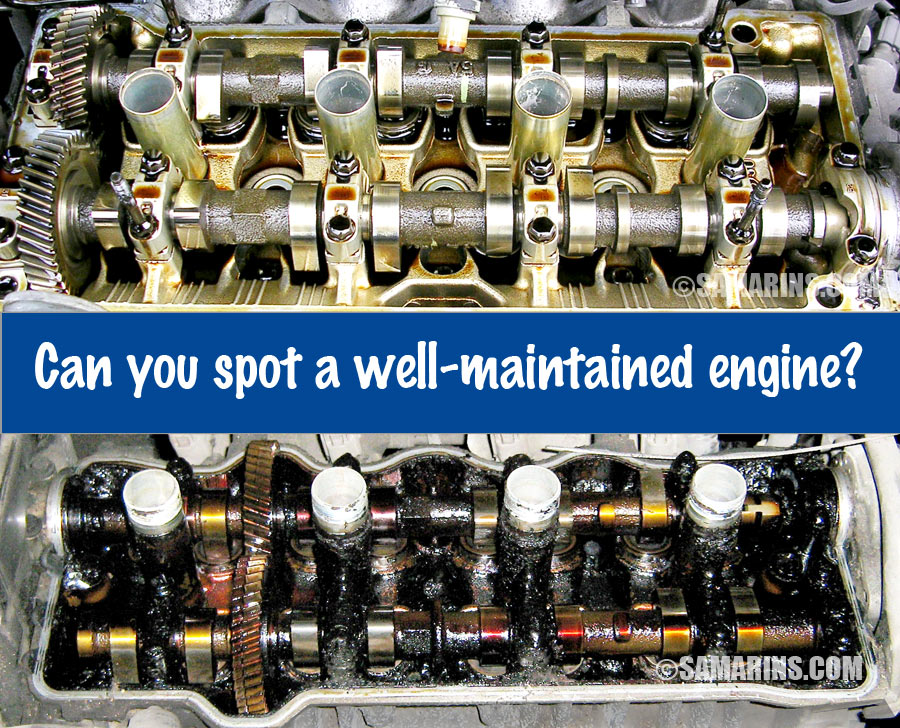
Before checking under the hood, make sure, the engine is OFF, the transmission is in "Park" and the parking brake is applied. Look for leaks, smell of burnt oil or coolant, signs of shady repairs or lack of maintenance, as well as 'racing' mods. Dealers often shampoo the engine bay before showing a used car to potential buyers. If the engine looks clean and shiny, it doesn't mean that it is in good shape. Let's see some examples:Burnt oil smell under the hood
 |
Visible oil leaks
 |
 |
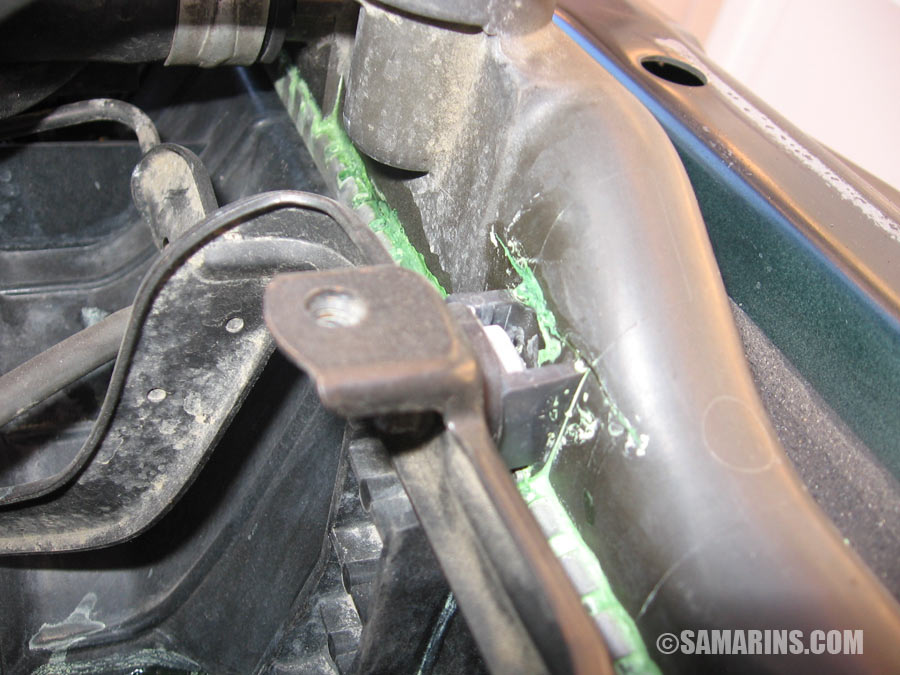
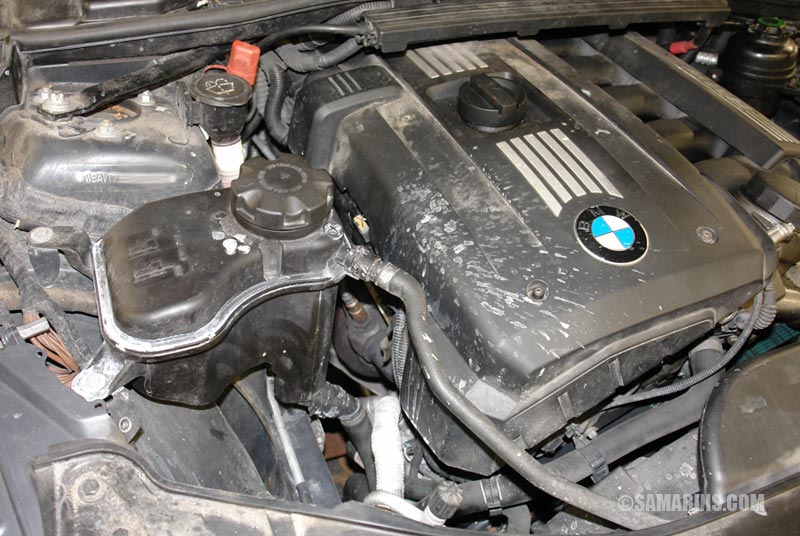
Coolant and other leaks
 |
 |
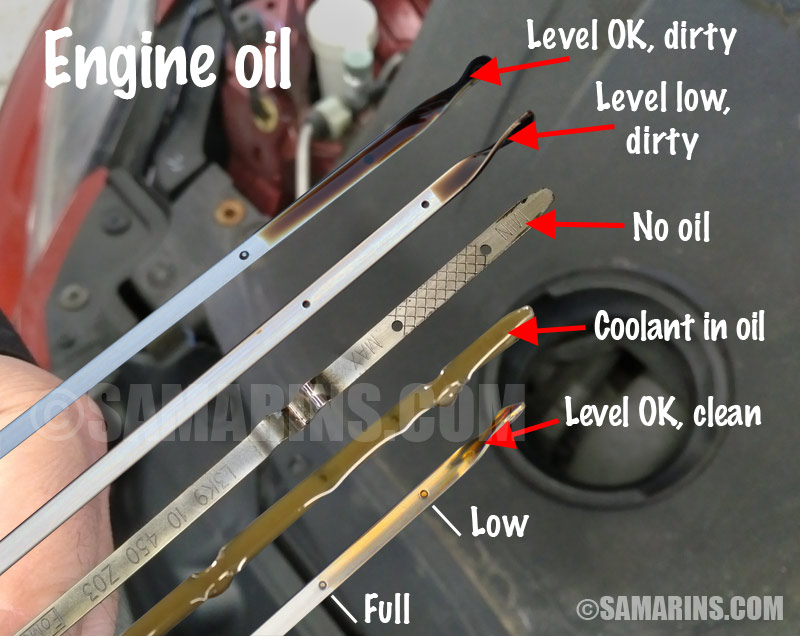
Low oil level, dirty oil
 |
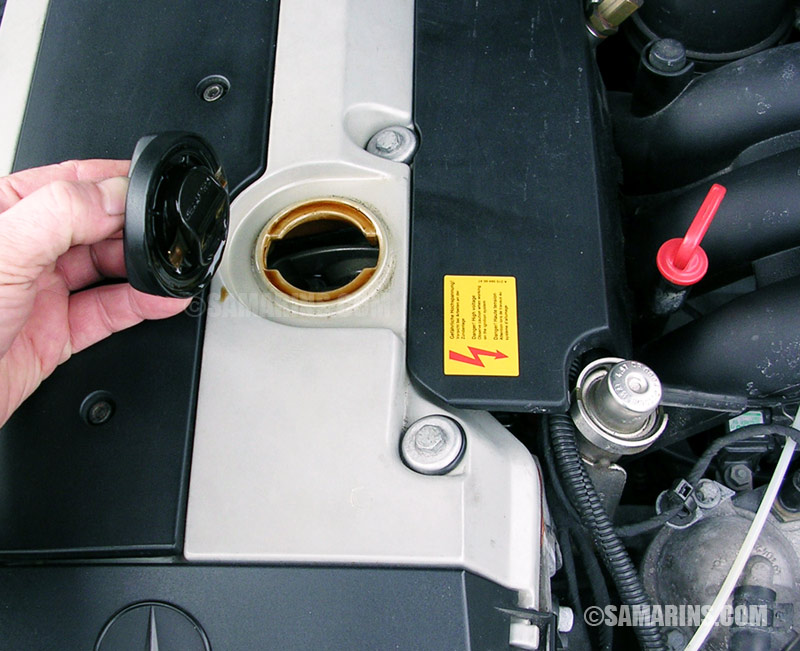
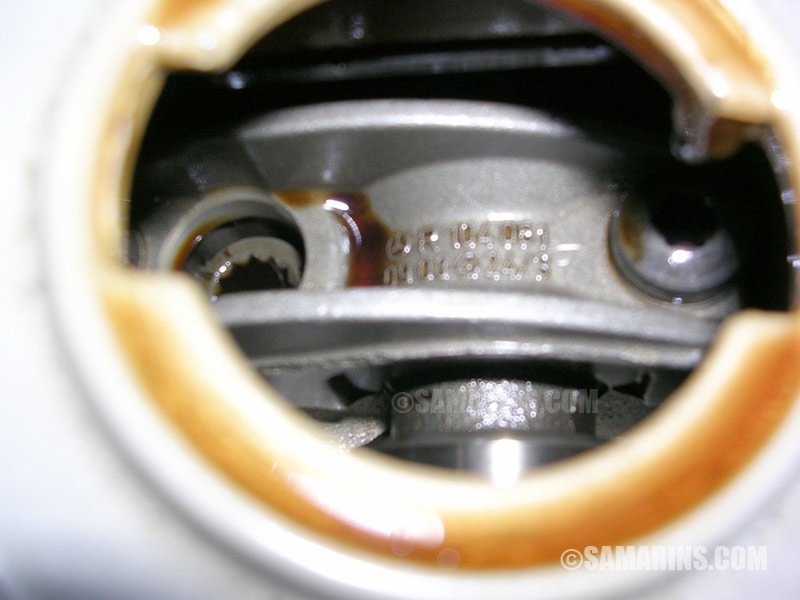
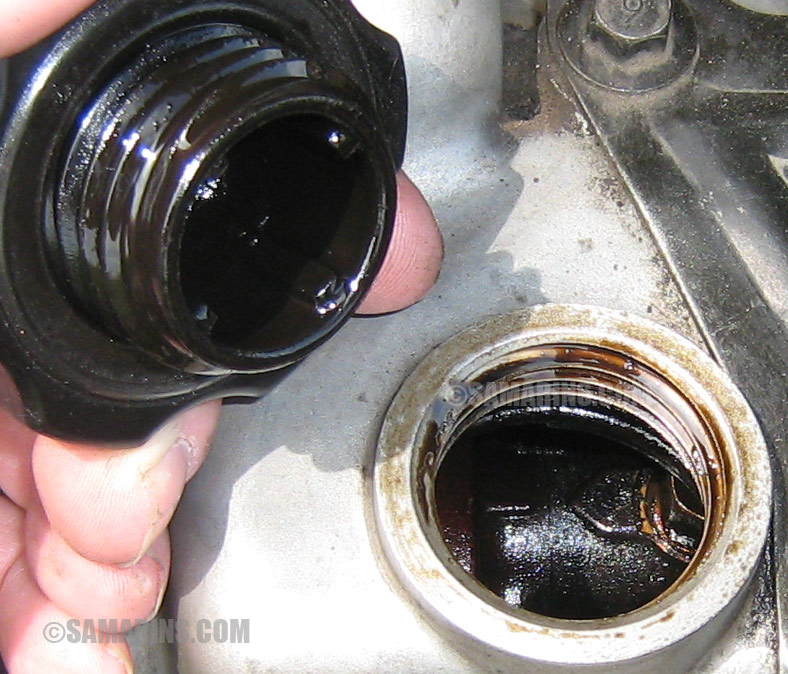
With the engine off, check under the oil cap
 |
 |
 |
 |
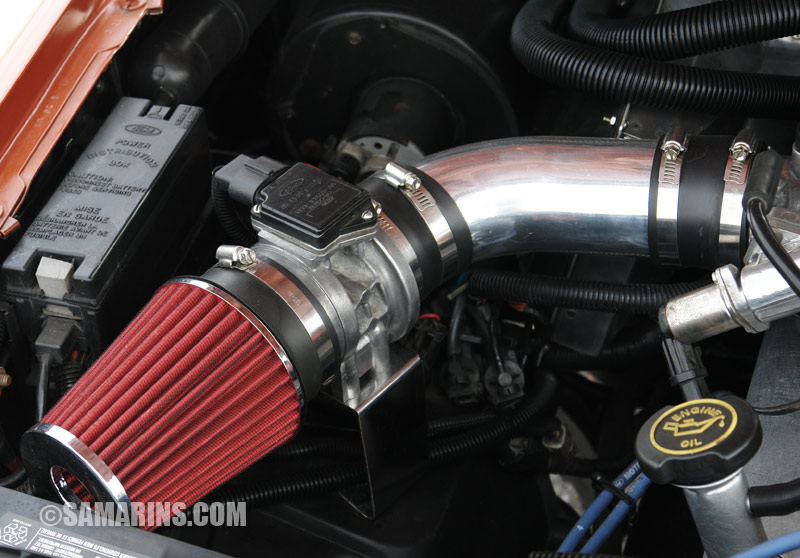
Watch out for performance mods
 |
Does the engine have a timing belt?
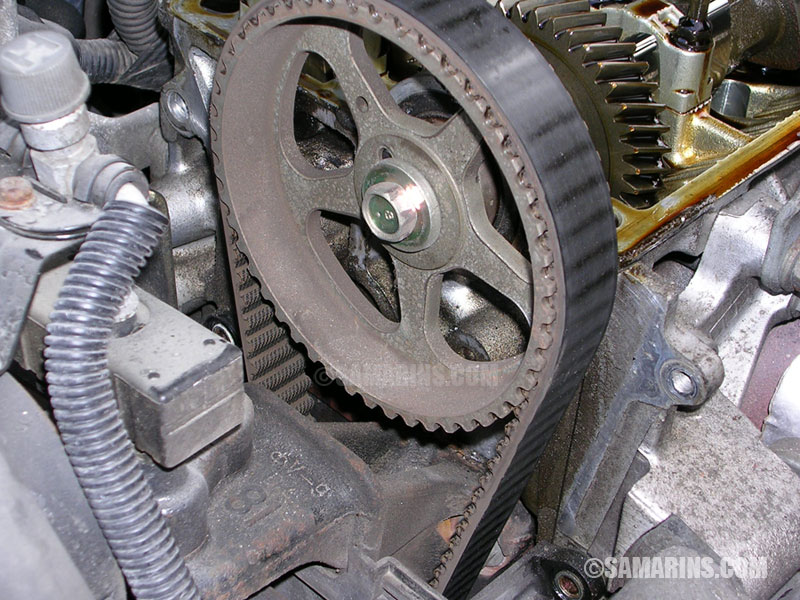 Unfortunately, you cannot see a timing belt under the hood, it is hidden under covers. To check its condition, your mechanic will need to remove one or two covers, and it's not always easy. Another option is to check the service records to see if a timing belt has been replaced. Read more about a timing belt. |
Cold start can reveal many hidden problems
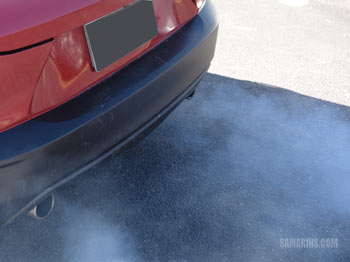 |
Test drive
After the car is started, all warning lights on the dash should go off. If the engine symbol (Check Engine) light or Service Engine Soon stays on, the engine computer detected some fault.Advertisement
During the test drive, watch out for engine noises, vibration, lack of power, or any other driveability issues. The engine should run smooth and accelerate easily. If you notice that the engine stumbles or hesitates on acceleration, there is a problem and the vehicle should be avoided. The idle speed should be stable. Test drive the vehicle for as long as possible; sometimes problems may not be obvious during a short spin around the block. It helps if you can test drive in all modes: acceleration, deceleration, stop-and-go traffic, highway cruising. Watch out for the engine temperature on the dash. Once the engine is warmed up, the temperature gauge should stay somewhere around the middle of the scale.
Even if everything seems OK, we strongly recommend having the used car properly inspected by an independent mechanic before buying.
Read Next:
Signs of automatic transmission problems when test driving a used car
Buying a Used Car: 10 Common Mistakes to Avoid
Pros and Cons of a Manual Transmission: What to watch out when buying a used car with a manual transmission
How to inspect a used car - illustrated guide
Signs of a collision repair, rust or paint job when buying a used car
Pros and cons of a CVT transmission, what to watch out for.
Should you buy a turbocharged car?
What mileage is OK for a used car?
Reviews of popular used cars including problems to watch out for.
Reviews of used SUVs, including common problems and fixes.
Signs of automatic transmission problems when test driving a used car
Buying a Used Car: 10 Common Mistakes to Avoid
Pros and Cons of a Manual Transmission: What to watch out when buying a used car with a manual transmission
How to inspect a used car - illustrated guide
Signs of a collision repair, rust or paint job when buying a used car
Pros and cons of a CVT transmission, what to watch out for.
Should you buy a turbocharged car?
What mileage is OK for a used car?
Reviews of popular used cars including problems to watch out for.
Reviews of used SUVs, including common problems and fixes.

 © Samarins.com 2000–2024. All rights reserved.